

Why smartphones have many camera lenses
The iphone 7 plus was the first phone to have a multiple lens rear camera module. It's trademark look is a flat back panel with two camera lenses near the top. As with most things in life, photos shot on smartphones have improved significantly and this has largely been thanks to the improvement of camera technology.
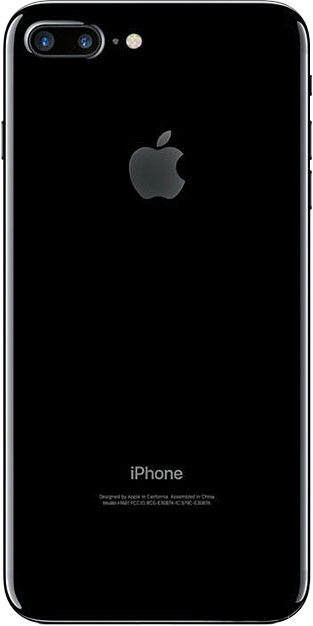
The iphone camera
According to Apple's head of Camera Engineering, Jon McCormack, Apple's camera design philosophy is to reduce the effort a photographer makes to obtain a high quality image. An Iphone's camera system is designed to mimick the photography approaches of seasoned and expert photographers. To aid in this goal, the hardware has to be the best it can be in order to be matched with advanced software that processes captured images on the fly. The result is a well balanced and more appealing photo that is much closer in appearance to nature. The Pro Max iPhones are a testament to this philosophy with the introduction of a tripple lens camera modules.
Many smartphone manufacturer's have since built phones with multiple lenses and all these share common characteristics. Different types of lenses serve different types of purposes on a smartphone. A typical smartphone will have a lens for a given scenario be it a portrait or landscape shot, close or long distance shots, macro shots or action shots. Although most lenses will be able to take any of these shots, different lenses are best suited for different scenarios.
How a camera lens works
Before we proceed to discuss the different types of camera lenses it is important to understand how they work. When you open the camera app on your phone a sensor opens to allow light into the camera module. There are preprogrammed settings that determine the amount of light that goes through the sensor, how wide the sensor opens and for how long it stays open.
Types of lenses
Well, there are lots of lens types serving different purposes. The benefit of your smartphone having multiple camera lenses is you can pair them to achieve a perfect shot.
Wide angle lens
Wide angle lenses are ideal for capturing cityscapes, certain types of portrait photographs and legendary landscapes. The wide angle lens is best suited for capturing a lot of real estate in one photo. The idea behind this type of lens is to decrease the aperture in order to increase the depth of field of the image. This creates an optical illusion that emphasizes the foreground and 'pushes back' the background. You can take portrait shots with a wide angle lens so long as the vantage point is correct.
Telephoto lens
A telephoto lens is necessary when the subject is far away. If you want to magnify content in your frame by not zooming in then the telephoto lens is best for such a scenario. The subjects appear closer in the photo than they actually are during the shot. It is however important to note that this is not a zoom lens. The effect caused by a telephoto lens is whereby the subject is in focus and the background is blurred. Telephoto lenses are ideal for capturing sports, wildlife, cityscapes and portrait photography too.
Fish eye lens
The fish eye lens is also called the ultra or super-wide lens. Fish eye lenses are ideal for warped landscapes, extreme sports, artistic pursuits and cityscapes. There are two types of fish eye lenses; circular and full-frame. The full-frame fish eye lens is more useful than the circular. Full-frame lenses produce a less dramatic effect with no black edges on the warped image. The circular fish eye lens is mostly used for artistic shots due to its more dramatic effects.
Macro lens
Macro lenses are ideal for some partraits, close-ups and macro photography. The magnification of the subject is the primary use case of macro lenses. The focus of the image is of utmost importance in macro photography.
Anamorphic lens
Anamorphic lenses are also known as videographic lenses. They work by mainly emphasizing on an ideal focal length during a shot. The focal length is critical when it comes to videography lenses. A lower focal length number leads to a wider angle view. In addition to focal lengths, there are also prime and zoom lenses when it comes to anamorphic lenses. Prime lenses have one fixed focal length while zoom lenses cover a wider range of focal lengths.
What to remember
You should certainly experiment with different lens types to achieve a perfect shot. The benefit of using a smartphone with multiple lenses is it comes with a preconfigured software that helps you choose a lens best suited for a shot. You now have a better understanding of the different types camera lenses and now you can choose the best lens for your scenario.


Comments
Post your comments